Why the Same Ant Trail Can Require a Completely Different Treatment Strategy
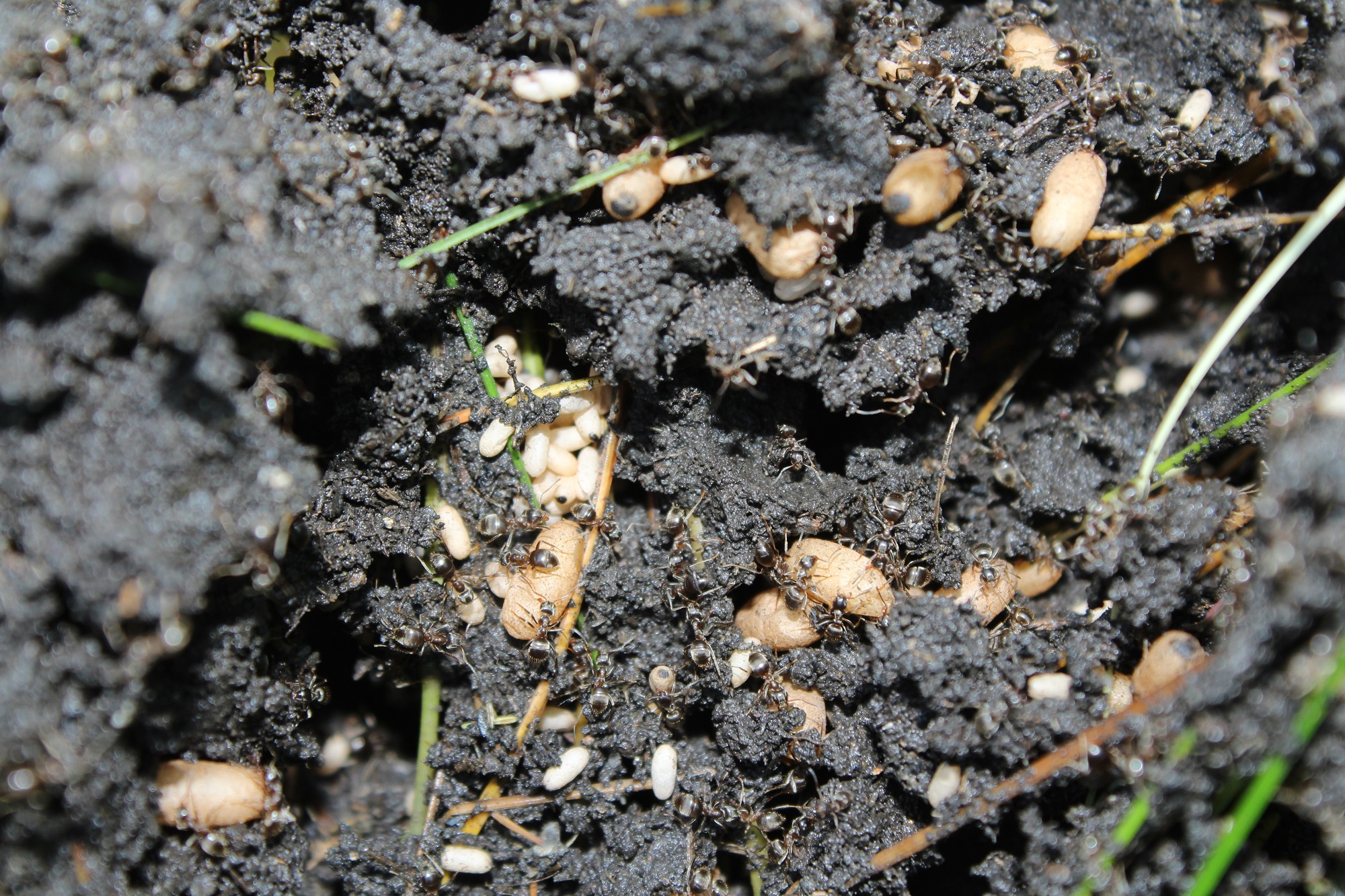
Ant trails can look deceptively simple. A line of insects crossing a patio or kitchen counter may actually represent a much larger network connecting food, moisture, nesting areas, and protected travel routes. For ant control in Mesa AZ, understanding how a particular ant species forages can help technicians determine where to apply treatment rather than simply treating every visible insect.
Foraging behavior analysis examines where ants travel, what they seek, how they respond to disturbances, and how trails connect indoor and outdoor areas. By combining species identification with inspection, monitoring, habitat modifications, and targeted ant treatment, professionals can create a treatment plan that addresses colony behavior and the conditions supporting recurring activity.
A closer look at these patterns can also reveal why an infestation keeps returning after a seemingly successful treatment. Ants may change routes when food sources disappear, avoid disturbed areas, or establish alternate pathways through wall voids, landscaping, cracks, and utility openings.
How Can Ant Species Reveal Where Treatment Needs to Go?
Not every ant follows the same playbook. Carpenter ants may be associated with moisture-damaged wood or protected structural areas, while pavement ants commonly travel along cracks, foundations, sidewalks, and other hard surfaces. Odorous house ants can establish multiple nesting sites and shift their trails when conditions change, while fire ant colonies may remain concentrated outdoors.
This distinction matters because a treatment placed directly over a visible trail may not reach the colony or may cause ants to change routes. A technician examining ant control in Mesa AZ properties can look beyond the obvious trail and investigate irrigation, vegetation, wall voids, cracks, utility penetrations, landscaping, and other possible routes between food and nesting areas.
People Also Ask: How do professionals know where an ant colony is located? They look for repeated trail patterns, worker direction, nesting conditions, food sources, moisture, and other evidence rather than assuming the closest visible activity represents the nest. EPA guidance similarly emphasizes accurate identification and monitoring as fundamental parts of integrated pest management.
5 Common Treatment Mistakes that Can Keep Ants Coming Back

- One common mistake is treating only the visible ants. Worker ants are often the most noticeable part of a colony, but removing workers without addressing nesting conditions can leave the larger population intact.
- Another mistake is using the same control method for every ant species, even though food preferences, nesting habits, colony structure, and foraging routes can differ.
- A third mistake involves disrupting trails without understanding them. Strongly disturbed ants may establish alternate routes, making the infestation appear to have moved rather than disappeared.
- A fourth problem is the neglect of moisture and food sources. Irrigation leaks, outdoor pet food, sugary residue, vegetation touching structures, and poorly sealed waste areas can continue attracting ants after treatment.
- The fifth mistake is relying too heavily on DIY pest control. Store-bought pest control products may have a place in some situations, but choosing a product without identifying the ant species or colony location can lead to inconsistent results. Professional pest control services can combine inspections, sanitation techniques, physical barriers, exclusion techniques, and targeted treatments rather than relying on a single application.
The EPA describes integrated pest management as a process built around monitoring, accurate identification, prevention, and appropriate control methods. Its guidance also recognizes habitat modification, sanitation, exclusion, and physical controls as important components of IPM.
Need Professional Ant Control?
Contact Anteater Exterminating today for targeted, reliable pest solutions.
Why Does Foraging Behavior Matter More on Complex Properties?
A small house with one visible trail can be relatively straightforward, but larger properties create multiple pathways. A commercial facility may have loading areas, landscaped borders, kitchens, storage rooms, mechanical spaces, employee areas, and exterior waste zones. Ants can exploit several of these environments at once.
For that reason, ant control in Mesa AZ can involve mapping activity rather than simply applying treatment around the building. A technician may follow trails to determine whether ants are entering through a door threshold, a foundation crack, a utility opening, a vegetation bridge, or another exterior route.
Anteater Exterminating’s ant control information specifically describes inspections, baiting systems, perimeter treatments, and preventative strategies for Mesa and surrounding Arizona communities. This kind of targeted approach can support long-term protection because it considers both active infestation and the conditions that encourage reinfestation.
The same property may also have separate pest concerns. Rodent control, termite activity, scorpion activity, cockroach issues, or other pest pressure can require different inspection and control decisions. Arizona bark scorpion, black widows, and other Arizona pests don’t necessarily respond to the same strategies used for ants, which is why species-specific identification remains important.
How Can Property Owners Support Better Ant Control Results?
Owners can make professional treatment more effective by reporting where ants appear, when activity is strongest, and whether trails change after cleaning or weather changes. They can also avoid randomly disturbing bait placements or applying competing products unless a technician recommends doing so.
Anteater Exterminating’s local expertise can be particularly useful in Mesa because landscaping, irrigation, block construction, mature vegetation, and desert conditions can influence pest movement. Its broader pest management approach also covers pest control solutions for residential and commercial properties, where ongoing education and careful inspection can support more consistent results.
Terms such as monthly pest control plans, IPM programs, seasonal pest control, and recurring prevention may describe different approaches depending on property needs. The right option depends on the pest species, activity level, structure, environment, and desired monitoring frequency.
It is also important to distinguish Anteater Exterminating from unrelated names that may appear during online research. Terms such as “Family owned since 1986,” Schendel Pest Services, PestZero Guarantee, Bug & Weed Mart, Pest Library, seasonal weed & pest prevention, WDI reports, and claims about background-checked or licensed technicians may belong to other businesses or marketing materials. They shouldn’t be attributed to Anteater without verification.
Likewise, services such as Bee & Wasp Removal, bed bug control, Bed Bug Extermination, Flea Extermination, indoor and outdoor flea treatments, Yard mosquito treatments, and other pest services may be offered by different providers. Anteater Exterminating’s supplied service profile should remain the basis for describing its services.
Why Anteater Exterminating is a Smart Choice for Ant Control
We at Anteater Exterminating provide practical solutions for our customers by focusing on the conditions that drive pest activity rather than treating visible insects alone. Species identification, foraging behavior, inspection findings, environmental conditions, and property design can all help shape a more informed treatment plan.
We showcase our excellence in services through targeted pest control, careful inspections, customized treatment strategies, and prevention-focused recommendations. Our goal is to do an excellent job while helping homeowners and businesses understand how their property can be made less attractive to recurring ant activity.
For professional help with ant infestations, contact Anteater Exterminating for expert service in Mesa, AZ. When species-specific behavior and property conditions matter, ant control in Mesa AZ from Anteater Exterminating provides a focused approach to understanding, treating, and preventing recurring ant activity.
Need Professional Ant Control?
Contact Anteater Exterminating today for targeted, reliable pest solutions.