Why Looking Beyond Your Property Line Can Make All the Difference in Long-Term Roof Rat Prevention
Roof rats rarely recognize property boundaries. They travel through interconnected tree canopies, overhead power lines, fences, and rooftops, moving easily from one yard to another in search of shelter and food. That’s why roof rat control in Mesa AZ focuses on canopy connectivity analysis to identify how rodents reach a property before they establish nests indoors. Instead of treating a single infestation, professionals evaluate the surrounding environment to reduce the risk of reinvasion and deliver longer-lasting protection.
Property owners seeking dependable rodent control should begin with a professional inspection from Anteater Exterminating.
Canopy connectivity analysis identifies how roof rats travel through trees, rooftops, utility corridors, and neighboring landscapes before entering a structure. By mapping these elevated pathways, professional roof rat inspections reduce repeated infestations and strengthen long-term pest prevention strategies.
Why Canopy Connectivity Analysis is Changing Roof Rat Control
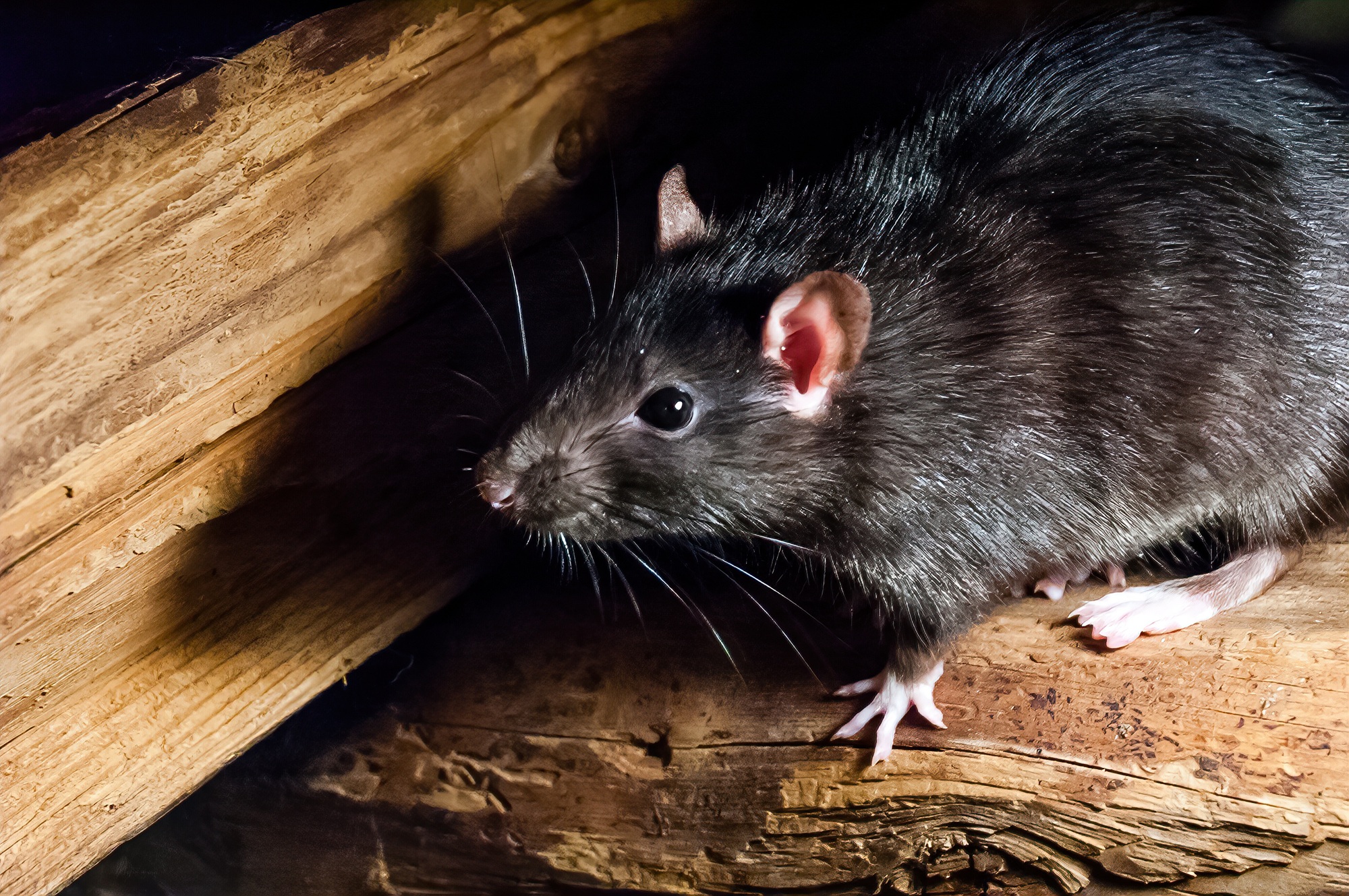
Most people think rodents invade homes directly from the ground. However, the Roof Rat behaves very differently. Unlike the Norway Rat, roof rats are exceptional climbers that prefer elevated travel routes. They move through palm and fruit trees, overhead utility corridors, and rooftops, avoiding open spaces whenever possible.
Across Mesa and Maricopa County, mature landscaping often creates a continuous canopy stretching across several neighboring properties. This natural “highway” allows rodents to relocate quickly without exposing themselves to predators.
Professional roof rat inspections don’t focus only on one building. Instead, inspectors study the entire landscape to understand where rodents originate, how they travel, and which pathways repeatedly lead them back to the property.
People Also Ask: Why Do Roof Rats Keep Returning After Treatment?
In many cases, the original colony remains active on neighboring properties. Even after rodents are removed, untreated travel routes through connected tree canopies allow new rats to replace them. That’s why professional inspections evaluate surrounding vegetation, rooflines, and elevated access points rather than focusing solely on indoor conditions.
5 Overlooked Conditions that Encourage Reinvasion
Many recurring infestations develop because the surrounding environment remains favorable for roof rats.
Interconnected Palm Trees and Fruit Trees
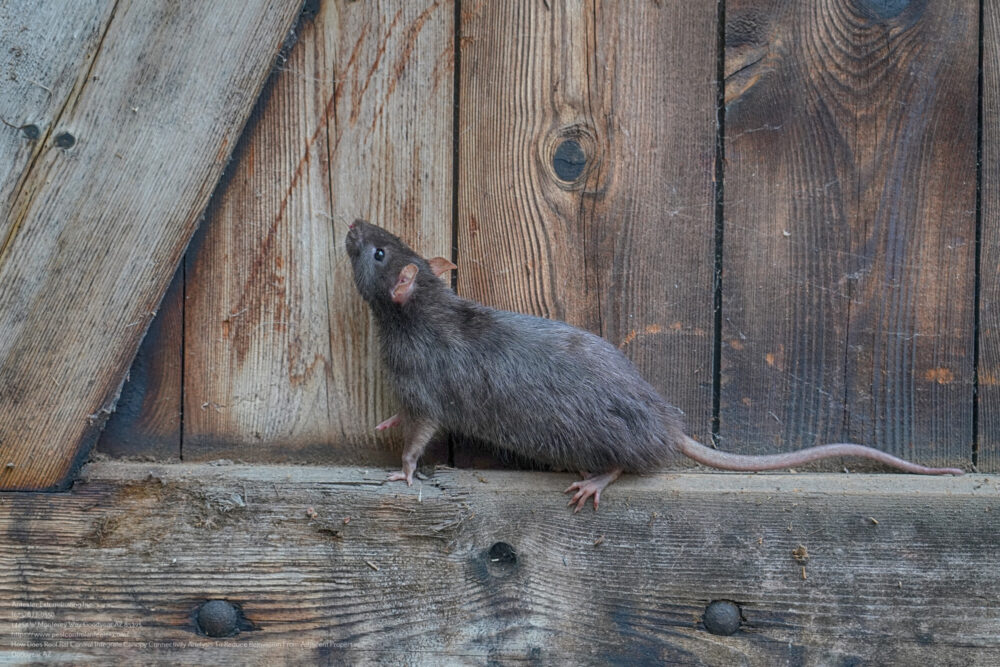
Large palm trees and mature fruit trees often create direct overhead access between neighboring homes. Roof rats rarely need to touch the ground when branches overlap rooftops.
Readily Available Food Sources
Outdoor pet food, fallen citrus, bird feeders, and unsecured garbage all provide reliable food sources that attract rodents year-round.
Untreated Entry Points
Small structural openings beneath rooflines, attic vents, or utility penetrations allow rodents to enter the building once they’ve reached it via elevated pathways.
Ignoring Early Warning Signs
Many homeowners overlook subtle indicators such as gnaw marks, rat droppings, visual sightings, or unsettled pets until activity becomes widespread. These are often the first signs of a roof rat infestation.
Depending on Natural or DIY Remedies Alone
While homemade deterrents may temporarily discourage activity, they rarely eliminate established travel routes or address larger reinvasion patterns. Professional control measures provide a far more reliable long-term solution.
Anteater Exterminating helps property owners identify these hidden risks before they develop into larger structural or sanitation problems.
According to the Centers for Disease Control and Prevention, rodents can spread disease and contaminate food, making prevention an essential part of protecting homes and businesses.
Need Professional Roof Rat Control?
Contact Anteater Exterminating today for dependable rodent control and long-lasting protection.
How Roof Rat Control in Mesa AZ Uses Landscape Intelligence to Stop Repeat Infestations
Effective roof rat control in Mesa AZ involves much more than placing traps. It begins by understanding how rodents move throughout the surrounding landscape.
During inspections, professionals evaluate:
- Overlapping tree canopies
- Roof-to-tree contact points
- Overhead power lines
- Fence connections
- Adjacent rooftops
- Nearby vegetation
- Hidden entry points
Rather than viewing one property in isolation, inspectors analyze how neighboring lots influence rodent movement. Homes located near Queen Creek, Gold Canyon, or Apache Junction often feature mature landscaping that increases canopy connectivity and creates ideal travel corridors.
By identifying these routes early, technicians can recommend targeted exclusion methods, habitat modifications, and customized integrated pest management strategies that interrupt reinvasion before rodents establish new nesting sites.
Why Long-Term Roof Rat Management Protects More Than Just One Property
Roof rats don’t remain confined to a single attic or garage. Once a colony becomes established, rodents often travel between neighboring homes using connected canopies and rooftops. That’s why successful management protects entire neighborhoods, not just one address.
A comprehensive inspection helps reduce future infestations by identifying conditions that support repeated rodent invasions. These include accessible food, unsealed structural openings, and travel corridors linking adjacent properties. Eliminating these conditions helps prevent recurring infestations while reducing the likelihood of electrical damage, contamination, and costly repairs.
Imagine two neighboring homes sharing mature citrus landscaping. One homeowner notices hollowed-out citrus, while the other hears scratching overhead. Although only one house initially reports activity, canopy analysis reveals that rodents are traveling freely between the two properties. By combining exclusion work with professional rodent control, Anteater Exterminating helps interrupt those movement patterns before additional homes become affected.
Expert Insights: Why Neighboring Properties Influence Every Inspection
Experienced technicians understand that roof rats don’t recognize fences or property lines. Instead, they respond to food availability, shelter, and safe travel routes.
For example, one property may appear clean while rodents continue nesting several houses away. Mature landscaping, overhead utility corridors, and connected rooftops allow rats to move unnoticed throughout residential neighborhoods. Without identifying those external influences, repeated treatments often become necessary.
Professionals also evaluate subtle behavioral clues that many homeowners overlook, including visual sightings, unsettled pets, fresh rat droppings, damaged insulation, and unusual attic sounds. These observations reveal how rodents use the surrounding landscape rather than focusing solely on indoor evidence.
Practical Takeaway
If roof rats return despite previous treatments, the issue may not be ineffective removal. Instead, an untreated travel corridor or neighboring food source could be allowing continual reinvasion.
Key Takeaways for Preventing Future Roof Rat Problems
Successful roof rat management combines inspection, prevention, and long-term monitoring.
Property owners should remember these important principles:
- The Roof Rat frequently travels through connected tree canopies rather than across open ground.
- Professional inspections evaluate neighboring properties, landscaping, and elevated travel routes.
- Early warning signs include gnaw marks, rat droppings, attic noises, damaged insulation, and visual sightings.
- Combining integrated pest management, structural improvements, and exclusion techniques provides stronger long-term results than temporary solutions.
- Routine inspections and proactive maintenance help keep homes protected throughout the year.
Understanding how rodents move through the surrounding environment is one of the most effective ways to reduce recurring infestations in Mesa and nearby communities.
Why Choosing Anteater Exterminating is the Smart Decision
We at Anteater Exterminating provide the best solutions for our customers by identifying not only where rodents are today but also how they will continue to return tomorrow. Our inspections evaluate surrounding landscapes, structural vulnerabilities, and canopy connectivity to create customized management plans that address the root of the problem.
We proudly offer dependable rodent control and pest control services using responsible treatment strategies, proven exclusion methods, and practical prevention recommendations tailored to every property. Our experienced team is committed to delivering reliable service and lasting protection.
If you’ve noticed scratching noises, damaged insulation, or other signs of roof rat activity, don’t wait for the infestation to grow. Contact Anteater Exterminating today for expert rodent control in Mesa, AZ. We look forward to helping protect your home, and we’re proud to provide dependable roof rat control in Mesa AZ.
Need Professional Roof Rat Control?
Contact Anteater Exterminating today for dependable rodent control and long-lasting protection.