Hidden Food Sources Can Keep Pest Problems Alive Long After Treatment
Pests rarely remain on a property without a reason. When activity continues after treatment, an experienced exterminator in Glendale AZ looks beyond visible pests and examines where food is coming from, how often it is available, and which environmental conditions make it easy to reach.
Food-source mapping helps an exterminator identify where pests find dependable nutrition, how they travel to it, and which nearby conditions provide shelter and water. By linking food availability to hiding spots and entry points, professionals can develop more targeted treatments and improve long-term pest prevention.
Food-source mapping can also uncover everyday conditions that unintentionally support pest activity, such as uncovered trash, pet food, food residue, leaking fixtures, fallen fruit, or poorly maintained outdoor areas. Once these attractants are identified, property owners can make targeted changes while professional treatment addresses existing activity.
What Does Food-Source Mapping Reveal about a Hidden Pest Population?
Food-source mapping is the process of tracing the resources that allow pests to survive. That can mean obvious sources such as crumbs, pet food, garbage, or stored products. Still, it can also include overlooked conditions such as grease buildup, organic debris, insects feeding on vegetation, or moisture that supports other prey. An exterminator compares these resources with activity patterns, hiding spots, and entry points to understand why a population remains established.
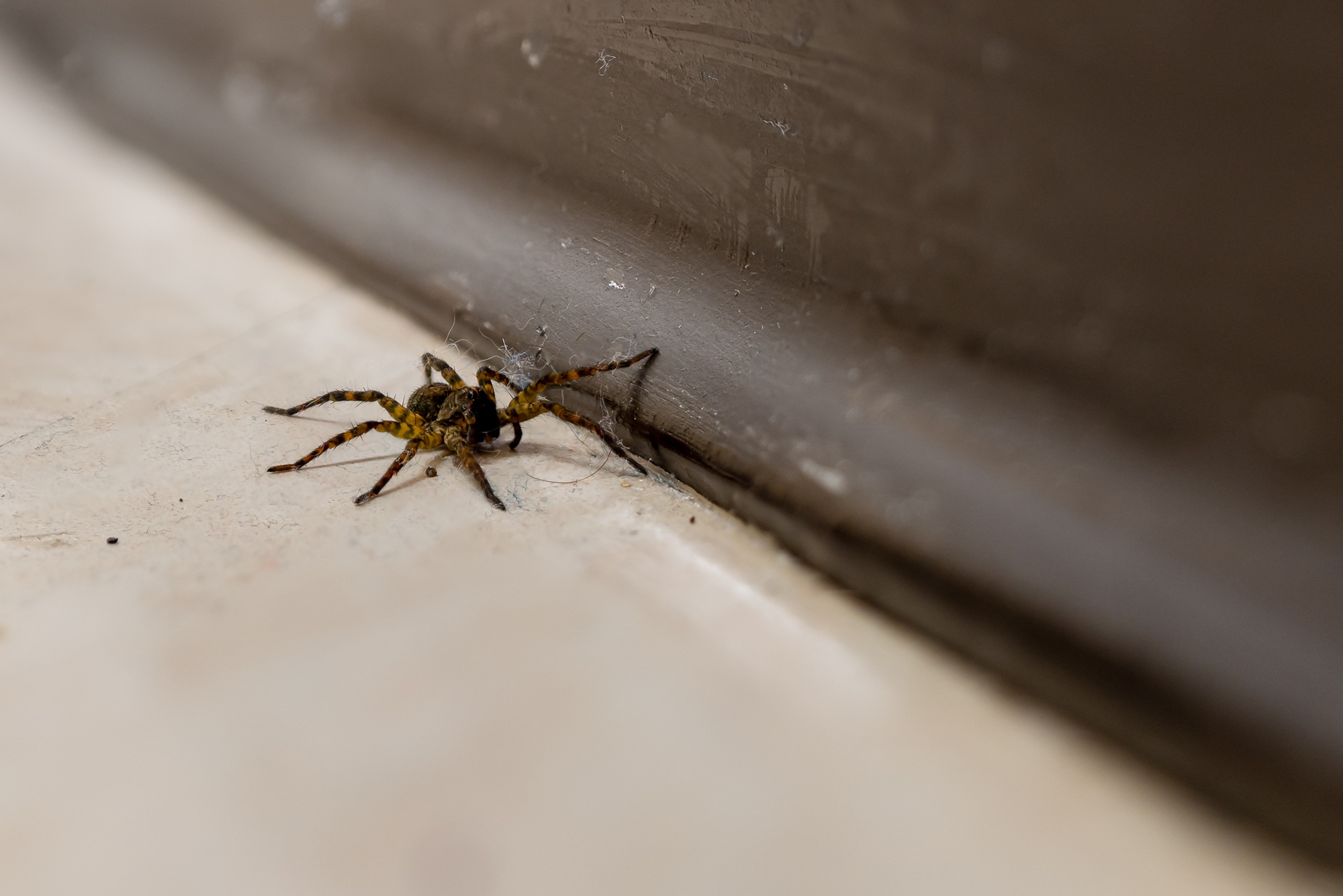
A common People Also Ask question is, “Why do pests keep coming back when a house is clean?” Cleanliness matters, but it isn’t the only factor. Desert pests can enter in search of water; insects can feed on tiny residues people never notice; and predators such as the Arizona bark scorpion may follow available prey. In Glendale’s desert climate, heat and the monsoon season can also change where food and moisture are concentrated.
Anteater Exterminating uses these observations to support integrated pest management and more precise exterminator services. Bed bugs, Roof Rats, American Cockroaches, and different ant species don’t depend on the same resources. A carpenter ant may be associated with moisture-damaged materials, while pavement ants may travel outdoors along predictable routes.
5 Food-Source Mistakes that Can Keep Pest Populations Growing
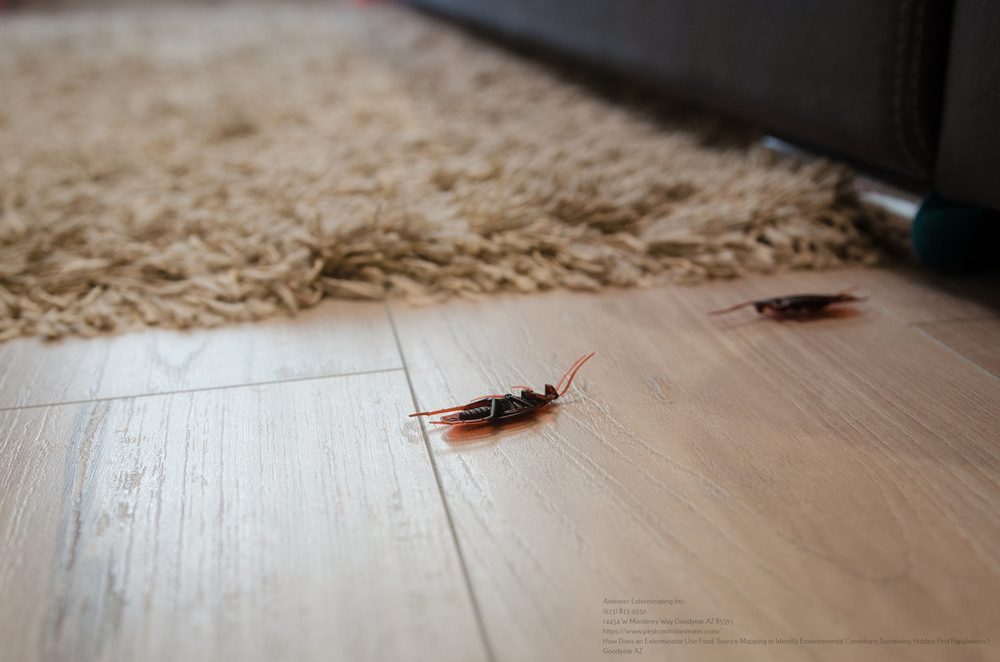
- The first mistake is looking only at obvious food. Small spills beneath appliances, residue inside trash containers, birdseed, fallen fruit, and pet bowls can support recurring activity.
- The second is treating the kitchen while overlooking exterior resources. Dense vegetation, overflowing waste areas, and other environmental conditions can create a steady food chain around a structure and increase the chance that pests move indoors.
- The third mistake is ignoring water. Food and moisture often work together, especially for American Cockroaches and other insects seeking protected conditions.
- The fourth is assuming that treatment alone will solve a problem while the availability of resources remains unchanged. The U.S. Environmental Protection Agency explains that integrated approaches use monitoring, sanitation, prevention, and appropriate control methods together rather than relying on pesticides alone.
- The fifth mistake is failing to see the connection between one pest and another. Black Widows and scorpions may remain where prey insects are available, while rodents can take advantage of accessible food and protected shelter.
Anteater Exterminating helps property owners connect these conditions through advanced inspections, entry-point inspections, and practical recommendations that reduce the resources sustaining hidden populations.
Do You Need Professional Exterminator Services?
Contact Anteater Exterminating today for reliable pest control and lasting protection.
4 Smart Steps that Connect Food Sources to Better Pest Prevention
- The first step is identifying the pest accurately. Effective ant treatment, Spider Control, Scorpion Control, and rodent control all depend on knowing what is active and what resources may be attracting it.
- The second step is to trace the activity from the sighting location back toward likely food and shelter. Droppings, trails, feeding damage, and insect movement can reveal routes that aren’t obvious at first glance.
- Third, professionals evaluate the surrounding environment. Habitat modifications may include reducing clutter, improving sanitation, managing vegetation, and addressing conditions that attract prey insects. Weed control can also be relevant when overgrown areas create protected pathways or conceal pest activity, though the right approach depends on the property’s needs and the pest in question.
- Fourth, the findings guide treatment. Depending on the pest, a technician may recommend interior treatment, targeted baiting, physical traps, monitoring, exterior power spraying, or other appropriate methods. Mosquito treatments may focus on conditions that support mosquitoes, while fly management can require attention to waste and breeding resources. The objective is to make the environment less suitable while using treatments for the actual problem rather than applying the same solution everywhere.
Why Food Mapping Creates a Clearer Path to Long-Term Control
The main lesson is straightforward: hidden pests need resources, and those resources leave clues. Effective pest control starts by identifying the pest, then by connecting it to food, moisture, shelter, travel routes, and entry points. This approach can improve decisions involving bed bug remediation, cockroaches, ants, rodents, scorpions, and other persistent pest concerns.
It also helps avoid unnecessary guesswork. Instead of repeatedly treating the same visible location, professionals can identify the conditions sustaining the population and use appropriate pest control, exclusion, sanitation, and monitoring measures. Integrated pest management brings those pieces together and keeps prevention connected to the actual environment.
For Glendale homes and businesses, food-source mapping can reveal why a pest problem survives out of sight and where practical changes can make the biggest difference. Combined with careful inspections and targeted treatment, exterminator in Glendale AZ services can help reduce the environmental conditions that keep hidden pest populations active.
Why IPM Programs Make Food Mapping More Useful Over Time
The strongest results usually come from treating food-source mapping as an ongoing process. Conditions change. Landscaping grows, weather shifts, storage habits evolve, and new pest pathways develop. IPM programs help track those changes through inspection, monitoring, sanitation, exclusion, and targeted treatment.
This approach can be particularly valuable in Glendale, where seasonal weather can influence pest behavior. The monsoon season may increase moisture and insect activity, while prolonged heat can drive pests toward irrigated landscapes and buildings. Regular monitoring helps Anteater Exterminating identify changing conditions before a small food source becomes part of a larger pest problem.
Good customer service also plays a role. Property owners often notice where activity appears, when it changes, or which areas attract pests after certain routines. Sharing those details gives technicians useful evidence and supports more accurate routine pest control service recommendations.
Why Choosing Anteater Exterminating is the Smart Choice for Hidden Pest Problems
We at Anteater Exterminating provide the best solutions for our customers by looking beyond the pests they can see and examining the food, shelter, moisture, and access conditions that may be sustaining activity. We understand that lasting results require more than repeated treatment, so we focus on careful inspections, practical recommendations, and tailored solutions for each property.
We proudly showcase our excellent pest control, rodent control, termite control, termite inspection, cockroach control, ant control, scorpion control, and commercial pest control services through attentive work and dependable customer service. Our team uses thoughtful inspection and treatment strategies to help property owners understand both the immediate problem and the conditions that support it.
If hidden pest activity keeps returning, we’re ready to help identify what is sustaining it and build a practical path toward stronger prevention. Contact Anteater Exterminating for professional pest management in Glendale, AZ, and choose a smarter approach to inspection, prevention, and dependable exterminator in Glendale AZ solutions.
Do You Need Professional Exterminator Services?
Contact Anteater Exterminating today for reliable pest control and lasting protection.