The Right Treatment at the Wrong Hour Can Miss the Real Problem
Pests don’t keep the same schedule as people. Some emerge after sunset, others become active before dawn, and certain species follow patterns shaped by temperature, moisture, food, and shelter. An experienced exterminator in Phoenix AZ doesn’t simply look for pests during a convenient appointment time. Instead, Anteater Exterminating considers when activity is most likely to occur as part of a broader pest management approach.
An exterminator analyzes circadian pest activity by tracking when pests feed, travel, reproduce, and seek shelter. Comparing those patterns with local temperatures, moisture, and property conditions helps professionals time inspections and treatments more accurately, improving immediate results and supporting longer-term pest prevention.
Timing can also help reveal activity that may otherwise go unnoticed during daytime inspections. By identifying peak movement periods and examining areas where pests are most likely to appear during those windows, technicians can better determine the source and extent of an infestation. This information allows treatments to be applied more strategically while reducing the chances of missed activity and recurring pest problems.
What Can a Pest’s Daily Schedule Reveal about a Hidden Infestation?
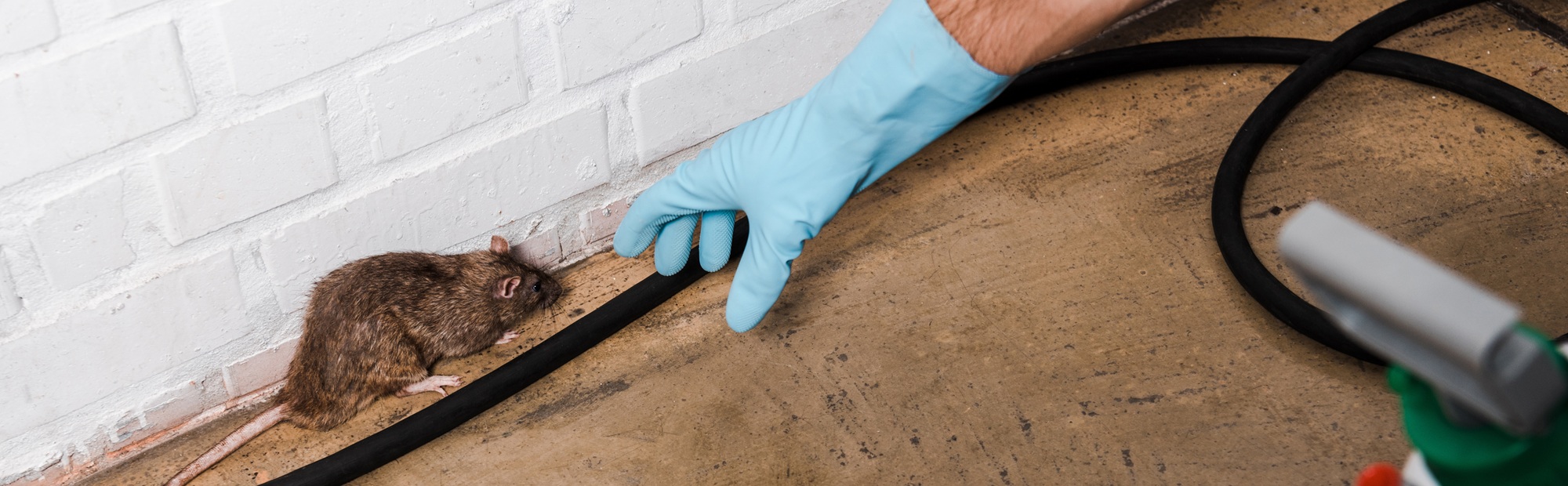
Circadian activity patterns are simply the daily rhythms that influence when living creatures are active or resting. For pest professionals, those rhythms can provide useful clues. Cockroaches may become more visible at night, mosquitoes are influenced by species-specific activity periods, and rodents often travel when properties are quiet. This matters because a daytime inspection may reveal evidence of a nighttime problem without showing the full extent of current activity.
A common People Also Ask question is, “What time of day are pests most active?” There isn’t one universal answer. Activity depends on the pest, the season, and the environment. In Phoenix, Arizona, intense daytime heat can push some pests toward cooler periods, shaded areas, wall voids, or nighttime movement. Seasonal changes across Maricopa County also affect pest pressure, especially when rising temperatures or rainfall change food availability and moisture conditions.
Anteater Exterminating uses those observations to build practical pest control solutions rather than treating every property the same way. A home with active bed bugs requires a different inspection strategy from a property needing rodent control, while commercial properties may need treatment timing coordinated around business operations. Understanding daily activity helps technicians look in the right places at the right times.
5 Timing Mistakes that Can Let Pest Problems Keep Returning
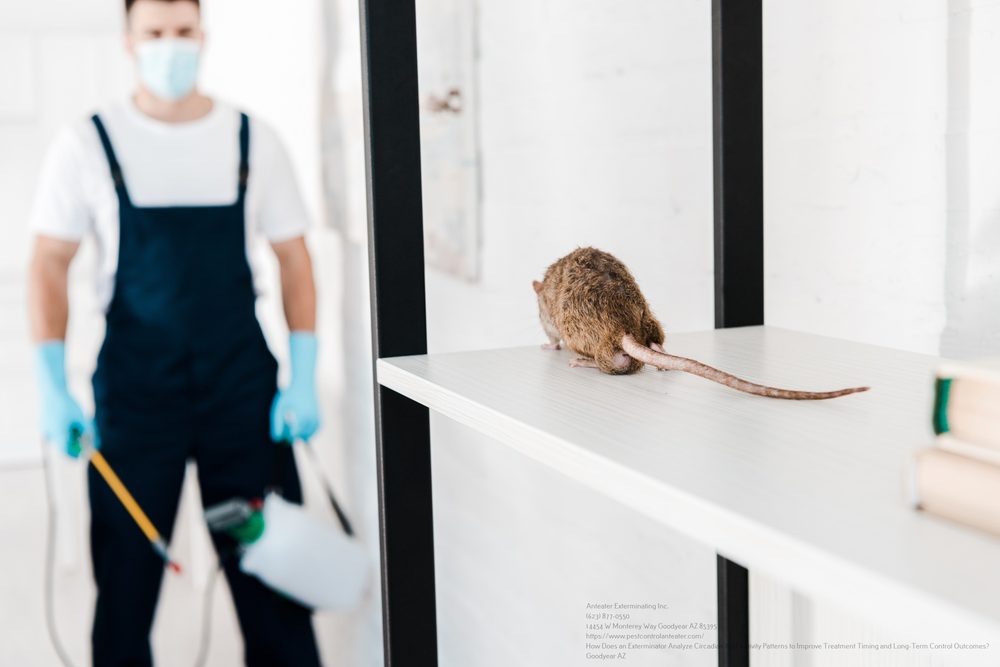
- One common mistake is assuming that seeing fewer pests during the day means an infestation is gone. Many pest infestations remain hidden during their preferred inactive periods, then resume activity when conditions change.
- Another mistake is applying a pest control treatment without considering whether the target pest is currently feeding, traveling, nesting, or protected inside a harborage.
- Property owners can also overlook the importance of follow-up timing. A treatment may reduce an existing population, but eggs, newly emerging pests, or pests entering from nearby areas can create fresh activity later. This is particularly important for bed bug control, where inspection findings and carefully timed bed bug treatment may be necessary to address different stages of an infestation. Similarly, mosquito control can involve monitoring the local mosquito population and applying targeted larvicidal treatments when breeding conditions favor larval development.
- A fourth mistake is treating visible pests while ignoring pest harborage. Cracks, clutter, dense landscaping, utility gaps, and protected voids can allow pests to avoid treatment.
- Finally, some people rely on one-time service when their property actually needs ongoing seasonal pest control. The U.S. Environmental Protection Agency explains that integrated approaches combine monitoring, prevention, and appropriate control methods rather than depending on routine pesticide use alone.
Anteater Exterminating helps clients avoid these problems by matching inspection findings with realistic treatment options and a property-specific treatment plan. Good timing doesn’t replace good treatment, but it can make good treatment work harder.
Do You Need Professional Exterminator Services?
Contact Anteater Exterminating today for reliable pest control solutions and lasting protection.
4 Smart Ways Professionals Match Treatment Timing to Phoenix Conditions
- First, technicians identify the pest and confirm the evidence. Different species follow different activity patterns, so accurate identification comes before selecting treatment timing.
- Second, they evaluate local conditions, including heat, moisture, landscaping, and seasonal changes. Breeding Season, High Season, and Swarm Season can all influence when particular pests become more noticeable or require additional monitoring.
- Third, professionals inspect structural conditions that create shelter. Exclusion work and foam void filler may help address suitable gaps when those methods are appropriate for the property. A thorough home inspection can also reveal conditions that support recurring pest activity, allowing prevention to become part of the solution rather than an afterthought.
- Fourth, the treatment plan is adjusted to the specific pest. For termite concerns, termite inspection, Termite Control, termite protection, liquid barriers, termiticide barriers, and the Sentricon System or Sentricon® bait may be considered based on professional findings and the property’s needs. For other situations, weed control, weed control services, a scheduled mosquito service, or other appropriate measures may help reduce conditions that contribute to pest activity.
Phoenix properties experience long warm periods, so pest prevention shouldn’t be treated as a single-season task. Consistent monitoring is especially valuable when changing temperatures can shift pest behavior from outdoor areas into protected structures.
Why a Year-Round Strategy Makes the Biggest Difference
The main lesson is simple: pest behavior has a rhythm, and treatment works best when professionals understand that rhythm. Effective service begins with identifying the pest, studying activity patterns, locating pest harborage, and considering local conditions throughout Phoenix, Arizona and Maricopa County.
A one-time response may solve an immediate issue, but long-term results usually require continued attention. Monitoring, exclusion, sanitation, and targeted treatments can work together in response to changing conditions. Programs such as the 365 Pest Prevention Program can provide a structured approach for properties that require ongoing monitoring and regular service.
Whether the concern involves bed bugs, termites, rodents, mosquitoes, or other common pest problems, the goal remains the same: accurately identify activity, intervene at the appropriate time, and reduce conditions that allow pests to return. For dependable timing, careful monitoring, and long-term protection, exterminator in Phoenix AZ services can help Phoenix property owners stay ahead of changing pest activity.
Why Choosing Anteater Exterminating is the Smart Choice for Better Pest Control
We at Anteater Exterminating provide our customers with the best solutions by combining careful inspections, thoughtful treatment timing, and practical prevention strategies. We understand that pest activity can change by the hour and by season, so we focus on identifying the patterns behind the problem rather than simply reacting to what is visible during a single visit.
We proudly showcase our excellent pest control, rodent control, termite control, termite inspection, cockroach control, ant control, scorpion control, and commercial pest control services through attentive work and dependable recommendations. We also provide strong customer service by helping property owners understand their treatment options and the steps to achieve lasting results.
If pest activity is disrupting a home or business, we’re ready to help build a clear path toward better control. Contact Anteater Exterminating for professional pest management in Phoenix, Arizona, and choose experienced support for smarter timing, stronger prevention, and dependable exterminator in Phoenix AZ solutions.
Do You Need Professional Exterminator Services?
Contact Anteater Exterminating today for reliable pest control solutions and lasting protection.