When a Few Ants Become a Warning Sign, Not Just a Nuisance
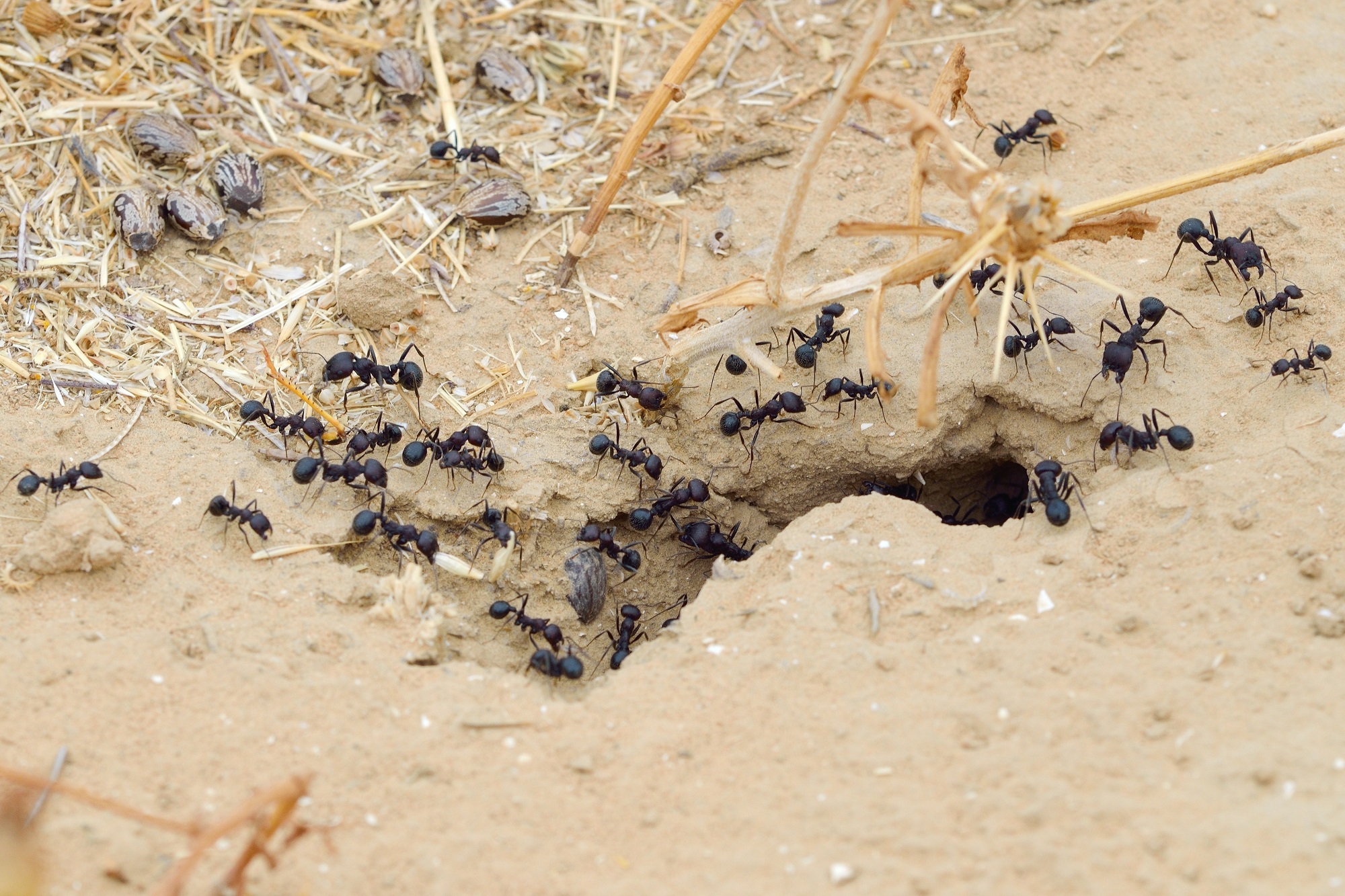
Seeing several ants cross a countertop doesn’t automatically mean a mature infestation has taken over the property. At the same time, repeated trails, increasing numbers, or activity in new areas can indicate that a colony is becoming established.
For homeowners seeking ant control in Glendale AZ, understanding the difference requires looking beyond individual workers and considering colony behavior, species, food, moisture, nesting conditions, and reproduction. Anteater Exterminating approaches ant problems through inspection, identification, targeted treatment, and prevention.
Ant control can assess infestation growth by tracking repeated worker activity, trail patterns, nesting locations, species behavior, and environmental conditions that support reproduction. A single worker sighting may be temporary, whereas increased activity across multiple areas can indicate an established colony that requires targeted inspection and treatment.
How Can Ant Control in Glendale AZ Tell Whether Activity is Growing?
Colony growth is not measured simply by counting ants on a wall. A technician looks for patterns. Are workers repeatedly using the same route? Are trails becoming longer or appearing in additional rooms? Is activity concentrated near food or water? Are ants emerging from cracks, wall voids, landscaping, irrigation areas, or other protected locations?
Reproductive signals are especially useful because a functioning colony has different groups performing different jobs. Worker ants forage, transport resources, maintain nests, and support developing brood, while reproductive members are responsible for producing future generations. A sudden increase in winged ants, for example, can have a different meaning from a few workers searching for crumbs.
Species identification matters just as much. Carpenter ants may nest inside structures where moisture or damaged wood is present, while pavement ants can establish colonies around foundations, sidewalks, and soil. Odorous house ants may follow concealed routes into buildings, and fire ant activity is more commonly associated with outdoor nesting areas. Argentine ants can also form extensive, interconnected populations, making repeated trail activity worth investigating rather than dismissing it.
What does that mean for Glendale? The city’s desert climate doesn’t eliminate pest pressure. Irrigated landscaping, mature trees, shaded areas, patios, block walls, and structural gaps can provide the food, moisture, and shelter ants need. Anteater’s Glendale information specifically identifies irrigation systems, landscaping, citrus trees, palm trees, and other local conditions as factors influencing pest behavior.
5 Mistakes that Can Hide a Developing Ant Infestation

- One common mistake is assuming that one visible worker represents the entire situation.
- Another is judging infestation severity by activity at a single moment rather than by whether trails repeat or expand.
- A third is confusing different ant species and applying the same response to each.
- A fourth involves spraying visible workers without examining nesting conditions.
- Fifth is ignoring environmental changes that encourage ants to return.
These mistakes can make pest control less predictable. If food, moisture, or shelter remains available, workers may continue to return even after the visible numbers temporarily decline. Poorly selected treatments can also disturb colonies, causing activity to shift into another area instead of resolving the underlying problem.
This is why integrated pest management is useful. The U.S. Environmental Protection Agency explains that IPM combines monitoring, accurate pest identification, prevention, and appropriate controls based on the pest and its environment. The approach can include sanitation techniques, habitat modifications, physical barriers, exclusion techniques, and targeted treatments, rather than automatically relying on broad applications.
Anteater Exterminating has more than 30 years of Arizona pest management experience and describes its Glendale service as inspection-driven, customized, and focused on long-term prevention. Its licensed local technicians can investigate whether recurring trails represent isolated foraging or a broader colony problem.
Are Recurring Ants Becoming a Problem at Your Property?
Contact Anteater Exterminating today for professional ant control and practical prevention.
Why Reproductive Clues Matter More Than a Single Ant Trail
A single trail can be misleading. A recurring trail combined with expanding activity is much more informative. Suppose ants appear around a kitchen sink after outdoor irrigation has increased. If the same route continues for several days and workers begin appearing around another room, the pattern suggests that resources and access are supporting continued activity.
For ant control in Glendale AZ, this distinction can help determine whether treatment should focus on an isolated entry point or a wider nesting and resource network. Anteater’s pest control approach includes detailed inspections, customized treatment plans, and integrated pest management strategies tailored to the conditions at each property.
There are wider benefits, too. A careful inspection may uncover termite activity, rodent access, scorpion activity, or cockroach infestations that require separate attention. For example, an Arizona bark scorpion may exploit harborage around landscaping, while Black Widows can use sheltered exterior areas. Recognizing these patterns helps prevent one pest problem from being mistaken for another.
The same principle applies to other pest extermination services. Termite control may involve checking for termite activity and conditions supporting subterranean termites, while rodent control may require looking for gnaw marks, nesting evidence, and access points. The goal isn’t to force every pest into one treatment category; it’s to understand what the property is actually showing.
What Should Property Owners Remember about Ant Growth?
The clearest sign of developing infestation growth is usually not simply “more ants.” It is a combination of repeated activity, expanding access, suitable nesting conditions, and biological signs that indicate the colony is maintaining itself.
A professional treatment plan can therefore combine inspection services with ant treatment, sanitation, habitat modifications, exclusion, and monitoring. These methods support IPM programs by addressing why pests remain successful rather than focusing only on the insects that happen to be visible.
Anteater’s broader pest control services also cover termite, rodent, and scorpion control, bed bug remediation, and fly management. Termite baiting system strategies, liquid perimeter barriers, physical traps, heat treatments, and other methods may be appropriate for specific pest situations. Still, treatment selection should always depend on the pest and property rather than on a generic formula.
This property-specific approach is especially relevant across the Sonoran Desert and Greater Phoenix area, where irrigation, landscaping, construction, and seasonal weather can create very different pest conditions from one address to another. Local expertise and ongoing education help technicians keep those variables in view while providing services with excellence.
Why Anteater Exterminating is a Smart Choice for Glendale
We at Anteater Exterminating provide the best solutions to our customers. As a family-owned and locally operated company founded in 1995, we bring extensive experience to pest control throughout Arizona. Our technicians use inspections, pest identification, customized treatment plans, and integrated pest management to address pest problems based on the conditions found at each property.
We focus on delivering excellent services with practical recommendations and careful attention to customer needs. Our goal is to provide services with excellence and an excellent job rather than treating every property the same.
If recurring ant trails, changing activity, or suspected colony growth has become a concern, contact Anteater Exterminating for professional ant control in Glendale, AZ. A proper inspection can help determine whether the activity is temporary or part of a developing colony. For dependable ant control in Glendale AZ, Anteater Exterminating can help property owners understand the activity and choose an appropriate response.
Are Recurring Ants Becoming a Problem at Your Property?
Contact Anteater Exterminating today for professional ant control and practical prevention.