The Hidden Routes Roof Rats Use Can Reveal More Than Most Property Owners Ever Notice
A few tiny gaps around a roofline may not seem important, but to a roof rat they’re often an open invitation. Successful roof rat control in Phoenix AZ starts by identifying how rodents repeatedly enter a property before nests become established indoors.
Anteater Exterminating approaches every inspection with careful structural analysis rather than relying on temporary solutions.
Roof rats rarely appear indoors by accident. They follow predictable travel routes, exploit overlooked structural weaknesses, and return repeatedly unless every major access point is identified and addressed. Professional inspections combine structural evaluation, rodent behavior, and exclusion planning to interrupt infestation cycles before they grow.
Why Structural Entry Point Analytics Matter More Than Many Property Owners Realize
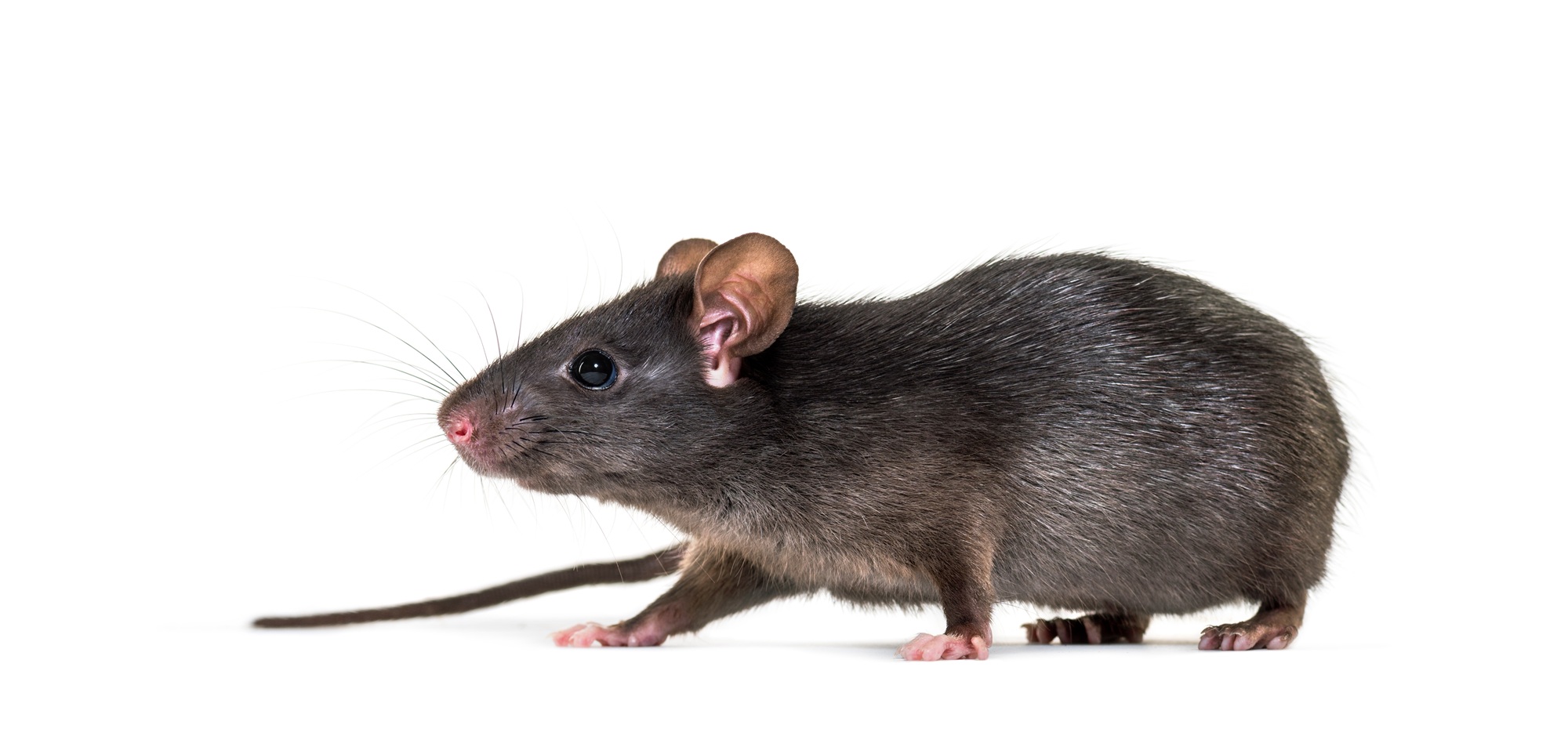
Roof rats (Rattus rattus) are excellent climbers. Unlike Norway rats, which spend much of their time near the ground, roof rats prefer elevated pathways, including utility lines, tree limbs, fences, and rooftops. Throughout Phoenix and Maricopa County, neighborhoods filled with mature landscaping and citrus trees provide ideal travel corridors.
People often assume removing visible rodents solves the problem. It rarely does.
If hidden access routes remain open, new rodents quickly occupy the same nesting areas. That’s why professional inspections focus on understanding how rodents move through an entire property rather than simply reacting to visible activity.
A common People Also Ask question is: Why do roof rats keep coming back after treatment?
The answer usually comes down to structural access. If even one overlooked opening remains, food sources and shelter continue attracting new rodents despite previous trapping efforts.
Properties near Camelback Mountain, South Mountain Preserve, Papago Park, and the Ahwatukee Foothills often experience increased wildlife movement because surrounding desert habitats naturally support rodent populations.
5 Common Inspection Mistakes that Allow Infestations to Return
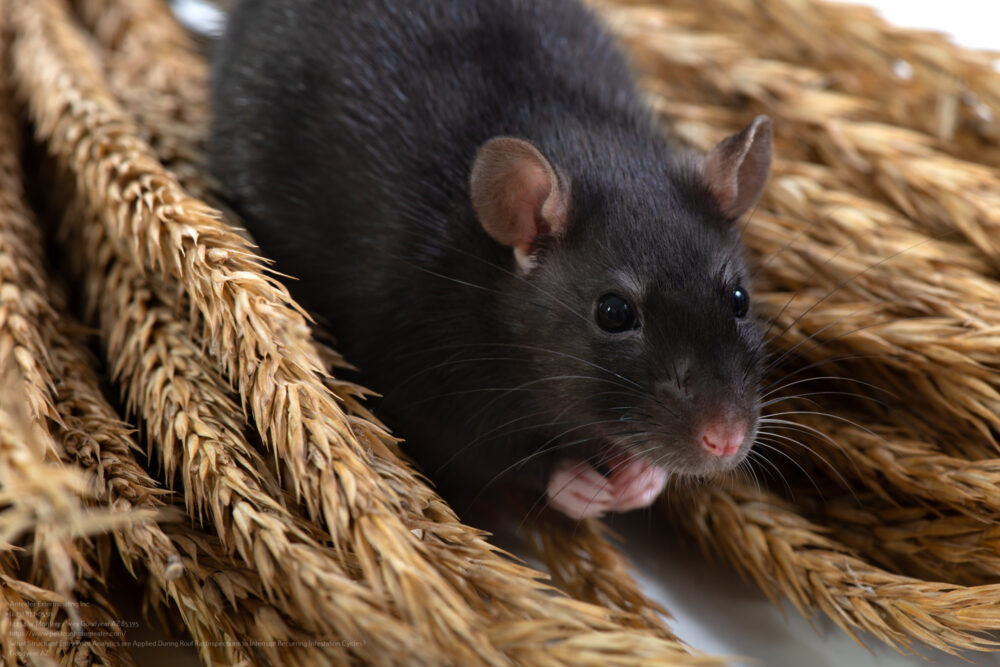
Many recurring infestations develop because important structural details were overlooked during earlier inspections.
1. Only Looking at Ground Level
Many homeowners inspect foundations while forgetting roofs.
Since roof rats spend much of their lives above ground, elevated inspections are essential.
2. Ignoring Vegetation
Overgrown landscaping acts like a ladder.
Branches touching roofs eliminate much of the protection modern buildings provide.
3. Focusing Only on Live Rodents
Seeing a single rodent rarely tells the whole story.
Professionals also search for rat droppings, claw marks, nesting material, grease marks, and repeated travel paths.
4. Missing Secondary Entry Points
Closing one opening while leaving several others accessible redirects rodent movement.
Comprehensive inspections identify every likely route before exclusion work begins.
5. Delaying Professional Evaluation
Many infestations become expensive because inspections begin only after rodents enter living spaces.
Anteater Exterminating emphasizes early structural analysis to reduce future repair costs and long-term rodent activity.
The Centers for Disease Control and Prevention explains that rodents contaminate food, damage structures, and spread disease, making early prevention especially important.
Need Professional Roof Rat Control?
Contact Anteater Exterminating today to schedule your expert inspection and protect your property.
Why Accurate Entry Point Analysis Saves Time, Money, and Frustration
Every successful program for roof rat control in Phoenix AZ depends on interrupting predictable movement patterns.
Professional inspectors don’t simply ask where rodents are today.
They ask:
- How did they arrive?
- Where do they travel each night?
- Which openings allow repeated access?
- Which structural conditions support future nesting?
Answering these questions produces longer-lasting results than relying solely on traps.
For example, two neighboring homes may experience similar rodent sightings. One has citrus fruit dropping beneath mature trees, while the other stores birdseed beneath open patios. Although both attract rodents, inspection findings—and ultimately treatment recommendations—differ significantly.
Properties with accessible food sources, including pet food, bird feeders, stored grains, compost, or uncovered garbage, frequently experience greater rodent pressure because these resources encourage repeated visits.
Professional inspections also evaluate food and water sources, recognizing that leaks in irrigation systems, outdoor pet bowls, and decorative water features contribute to habitat suitability.
How Roof Rat Control in Phoenix AZ Combines Inspection Data With Long-Term Prevention
Once inspection findings are documented, professionals begin transforming observations into an effective prevention strategy.
Instead of treating every property identically, technicians evaluate structural risk factors, landscaping conditions, and recurring travel routes to determine where rodent-proof barriers, diamond mesh wiring, and sealing entry points will have the greatest impact. Inspection findings also influence baiting strategies, bait stations, and the placement of snap traps where appropriate.
Whether rodents arrive through roof intersections, utility penetrations, or vegetation touching the home, the objective remains the same: interrupt recurring infestation cycles before indoor nesting develops. This data-driven approach is one of the reasons professional roof rat control in Phoenix AZ delivers more reliable, long-term results than reactive trapping alone.
What Professional Inspectors Learn that Changes the Entire Rodent Control Strategy
Every inspection teaches something different. Experienced technicians know that recurring infestations rarely result from a single opening. Instead, they’re usually caused by several small vulnerabilities working together.
One recent example involved a home where the owner repeatedly heard squeaking or scratching noises above the ceiling every evening. Previous trapping reduced activity for a few weeks, yet the rodents always returned. During a detailed inspection, technicians identified several overlooked problems: tree branches touching the roof, utility lines providing direct access, deteriorated stucco diamond mesh, and multiple roofline gaps hidden behind decorative trim. They also found rat droppings, claw marks, and nesting material in the attic, confirming long-term activity.
After trimming nearby vegetation, installing rodent-proof barriers, reinforcing openings with steel mesh, and implementing a carefully designed rodent-control program, the recurring access routes were disrupted. Instead of simply removing rodents, the property became far less attractive for future infestations.
The lesson is simple: removing rodents is only half the job. Preventing their return depends on understanding why they chose the property in the first place.
6 Practical Steps Property Owners Can Take Between Professional Visits
Professional service delivers the strongest results, but ongoing maintenance also makes a noticeable difference.
- Store pet food, birdseed, and grains in airtight containers whenever possible.
- Regularly inspect roofs, vents, and siding for developing gaps, then prioritize sealing entry points before rodents discover them.
- Keep bird feeders away from rooflines and clean spilled seed promptly to eliminate easy food sources.
- Trim citrus trees and continue trimming trees and shrubs so branches don’t provide direct access to the roof.
- Remove brush piles, clutter, and unnecessary storage that may become protected nesting areas.
- When cleaning rodent waste, always wear rubber gloves, disinfect surfaces with an appropriate bleach solution, and avoid sweeping dry droppings, which may release contaminated dust.
Many homeowners also notice subtle warning signs before actually seeing rodents. Changes in pet behavior, unexplained noises after sunset, or fresh gnaw marks around utility penetrations often indicate that roof rats have already established regular travel routes.
Professional inspections remain valuable because technicians identify these early indicators before they develop into larger infestations.
Key Takeaways Every Property Owner Should Remember
Effective roof rat prevention isn’t built around reacting to visible rodents—it’s built around understanding how they move.
Professional inspections evaluate rooflines, utility lines, landscaping, structural joints, and concealed openings to identify weaknesses before infestations become severe. Combined with proper rodent exclusion, habitat modification, and carefully planned removal techniques, these inspections help reduce recurring activity throughout Phoenix and surrounding communities.
Property owners should also remember that attractive landscaping doesn’t have to invite rodents. Healthy citrus fruit trees, decorative vegetation, and outdoor living spaces can coexist with effective prevention when access routes are properly managed.
A comprehensive inspection followed by targeted improvements offers far greater long-term protection than repeatedly replacing traps or responding only after rodents enter living areas.
Why Anteater Exterminating is the Smart Choice for Long-Term Roof Rat Protection
We at Anteater Exterminating provide the best solutions to our customers by focusing on the root causes of rodent activity instead of temporary fixes. Every inspection is performed with careful attention to structural details, rodent behavior, and proven prevention methods that deliver dependable, long-term protection.
Our team provides professional rodent control, thorough inspections, and customized treatment strategies designed specifically for homes and businesses throughout the Phoenix area. We also help customers strengthen their properties through effective exclusion recommendations and ongoing preventative guidance.
Whether rodents are entering through rooflines, landscaping, or hidden structural gaps, we’ll help identify the problem before it becomes a larger infestation. Contact Anteater Exterminating today for expert roof rat control services in Phoenix. Protect your property with professional roof rat control in Phoenix AZ.
Need Professional Roof Rat Control?
Contact Anteater Exterminating today to schedule your expert inspection and protect your property.