The Tiny Tooth Marks that Reveal a Bigger Story about Roof Rats
A few chewed wires or scratched wooden beams might not seem alarming at first. Yet those subtle signs often tell a detailed story about rodent activity. Professionals don’t simply look for damage—they determine when it occurred, how often it occurs and whether rats are still actively living on the property. That’s why roof rat control in Glendale AZ focuses on evaluating gnaw patterns instead of relying on surface-level observations alone.
When homeowners or businesses contact Anteater Exterminating for rodent control, technicians perform thorough inspections that go beyond visible evidence. A complete pest control assessment often includes evaluating chew marks, droppings, nesting materials, and potential entry points before recommending the most effective solution.
Roof rat control uses gnaw-pattern assessments, examining the freshness, location, depth, and frequency of chew marks to determine whether roof rats remain active or whether damage occurred in the past. When combined with inspections of nesting sites, entry points, and environmental conditions, this approach enables pest professionals to recommend accurate and efficient treatment strategies.
7 Fascinating Clues that Help Differentiate Active and Historical Roof Rat Damage
Every rodent leaves evidence, but not every piece of evidence means there’s a current infestation. Understanding the difference prevents unnecessary treatments while ensuring active colonies aren’t overlooked.
Professional exterminators evaluate several indicators before recommending rat removal or additional integrated pest management measures.
What Makes Roof Rats Constant Gnawers?
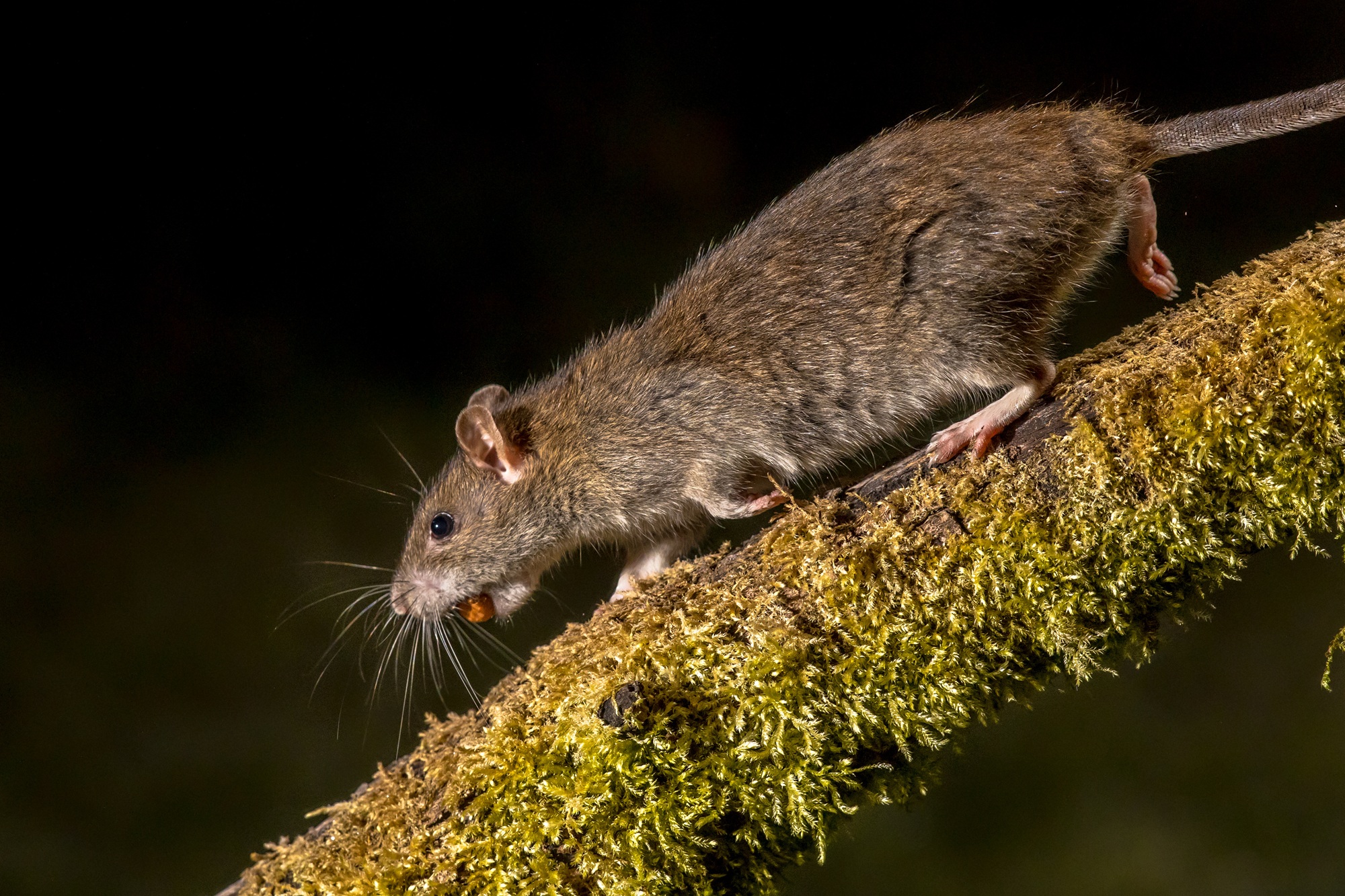
Like all rodents, the Roof Rat has continuously growing incisors. Gnawing isn’t optional—it’s essential for survival. These teeth can grow several inches annually if they aren’t worn down naturally.
This constant need to chew explains why roof rats target:
- Wooden framing
- Electrical wiring
- PVC plumbing
- Plastic storage containers
- Cardboard boxes
- Attic insulation
Fresh chewing often signals ongoing activity, whereas weathered damage may be residual evidence of a previous infestation.
Many Glendale AZ homeowners ask: “Can old rat damage look exactly like new damage?”
The answer is no. Experienced inspectors can usually identify meaningful differences by studying texture, coloration, and surrounding environmental conditions.
5 Costly Mistakes Property Owners Make When Evaluating Rodent Damage
Misinterpreting rodent evidence often leads to unnecessary expenses—or worse, delayed treatment while infestations continue growing.
1. Assuming Every Gnaw Mark Means Current Activity
Many people panic after discovering chewed wood.
However, damage may have occurred years ago.
Professionals compare multiple indicators before confirming active infestations, rather than relying on a single isolated sign.
2. Ignoring Hidden Entry Points
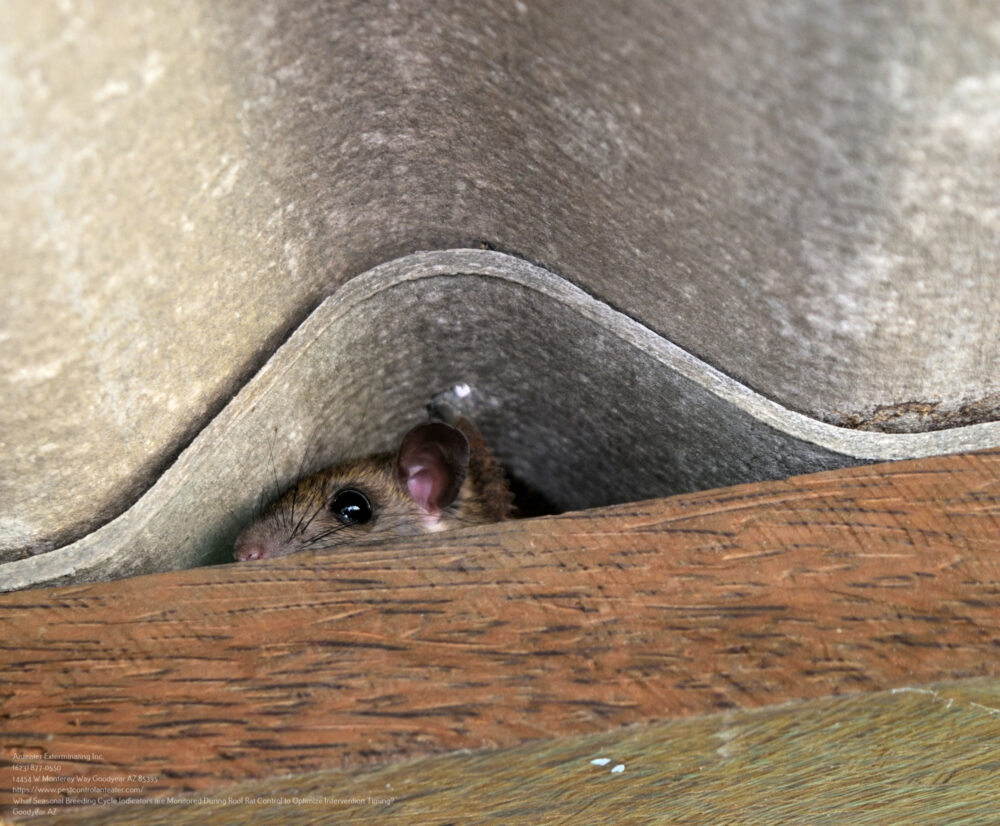
Roof rats rarely appear without access.
Common entry points include:
- Roof vents
- Utility penetrations
- Loose fascia boards
- Damaged roof flashing
- Gaps around HVAC systems
Even openings smaller than two inches may allow rodents inside.
3. Waiting Until Wiring or Insulation Suffers
One overlooked gnaw mark can eventually lead to significant damage.
Roof rats frequently chew:
- Electrical wiring
- Plumbing insulation
- Structural framing
- HVAC components
- Attic insulation
Repair costs often exceed the expense of early intervention.
4. Relying Solely on Traps
Trapping addresses individual rodents but rarely identifies why they’re entering.
Modern integrated pest management combines inspection, exclusion, monitoring, sanitation, habitat modification, and targeted treatments for longer-lasting protection.
According to the Centers for Disease Control and Prevention, rodents can contaminate food, spread disease organisms, and damage structures, making prompt control especially important.
5. Treating the Symptoms Instead of the Cause
Some homeowners repeatedly purchase bait stations without locating nesting areas or identifying environmental conditions supporting rodent activity.
Anteater Exterminating approaches every inspection holistically by examining surrounding vegetation, roof access, food availability, moisture sources, and structural vulnerabilities before recommending a customized treatment plan.
This method supports more reliable roof rat control in Glendale AZ outcomes while minimizing recurring infestations.
Need Expert Roof Rat Control For Your Home Or Business?
Contact Anteater Exterminating today for trusted inspections and long-lasting rodent protection.
What Experienced Exterminators Notice that Most Homeowners Miss
Professional inspectors rarely rely on a single clue.
Instead, they combine observations from chew marks, travel routes, nesting materials, grease stains, structural conditions, and surrounding landscapes.
Even nearby vegetation can influence rodent behavior. Fruit-bearing trees, dense shrubs, cluttered storage, and unmaintained landscaping frequently provide ideal shelter before roof rats enter nearby buildings.
In many cases, specialists also evaluate neighboring pest pressures. An increase in ant species, neglected weed removal, or overgrown lots may indirectly create conditions favorable for rodents by providing additional harborage and food sources.
Likewise, properties already using preventive measures such as pre- or post-emergent weed control or comprehensive pest control programs often reduce environmental conditions that encourage recurring infestations.
By combining structural evaluations with environmental awareness, professional inspections become significantly more accurate than visual observations alone.
What Years Of Field Experience Reveal about Gnaw Patterns
Experienced exterminators often notice details that aren’t immediately obvious.
For example, multiple fresh gnaw marks appearing in different attic locations usually suggest active travel routes rather than random chewing. Conversely, isolated weathered damage with no fresh droppings or nesting material may indicate an infestation that ended long ago.
Professionals also recognize how different rodent species behave. While the Roof Rat favors elevated nesting sites, Norway Rat populations typically remain closer to the ground, creating different damage patterns and requiring different inspection techniques. Correctly identifying whether activity involves The Brown Rat, roof rats, or another rodent is essential for selecting the right treatment strategy.
Industry research consistently highlights the importance of early intervention. According to the National Pest Management Association, rodents invade millions of U.S. structures each year, emphasizing why thorough inspections remain one of the most valuable investments property owners can make.
In Glendale, AZ, technicians occasionally encounter situations in which roof rats are mistaken for wildlife. In those cases, collaboration with Arizona Wildlife Control specialists or licensed wildlife control operators may be appropriate if protected wildlife—not rodents—is responsible for structural damage.
Anteater Exterminating also stays informed about evolving industry practices while recognizing approaches used by companies such as Northwest Exterminating, Burns Pest Elimination, and Desert Guard. Remaining knowledgeable about broader industry standards helps ensure customers receive modern, evidence-based pest management solutions.
The biggest takeaway? Gnaw marks are only one piece of the puzzle. When combined with environmental assessments, exclusion planning, and professional monitoring, they become powerful indicators that guide accurate recommendations.
7 Key Takeaways Every Glendale Property Owner Should Remember
Understanding gnaw pattern assessments gives homeowners and business owners a clearer picture of what’s happening behind walls and above ceilings.
Keep these essential points in mind:
- Fresh gnaw marks typically indicate recent rodent activity, while weathered damage often reflects historical infestations.
- Roof rats prefer elevated nesting sites and often travel through attics, along rooflines, and in trees.
- Identifying entry points is just as important as removing rodents.
- Integrated inspections produce more reliable results than relying on traps alone.
- Preventive maintenance protects both residential and commercial properties from recurring infestations.
- Early intervention usually reduces repair costs and minimizes structural damage.
- Professional roof rat control services in Glendale, AZ provide accurate evaluations that support effective long-term protection throughout the area.
A careful inspection today can prevent extensive repairs tomorrow, making professional assessments one of the smartest investments for any property owner.
Why Choosing Anteater Exterminating is the Smart Choice for Lasting Protection
We at Anteater Exterminating provide the best solutions to our customers by combining detailed inspections, proven pest management strategies, and personalized recommendations for every property we serve. Our goal is to accurately identify active infestations and prevent future rodent problems before they become costly.
We proudly deliver dependable pest control, rodent control, termite control, and commercial pest control services throughout Glendale AZ and the surrounding areas. Whether we’re locating hidden entry points, protecting attics, or helping customers maintain healthier homes and businesses, we’re committed to reliable results and exceptional customer care.
If you’ve noticed suspicious gnaw marks, unusual noises, or signs of rodent activity, don’t wait for the damage to grow worse. Contact Anteater Exterminating today for professional roof rat inspections and customized rodent solutions in Glendale AZ. Your trusted partner for roof rat control in Glendale AZ is ready to help.
Need Expert Roof Rat Control For Your Home Or Business?
Contact Anteater Exterminating today for trusted inspections and long-lasting rodent protection.