Why Understanding Roof Rat Behavior is the Key to Stopping Infestations Before They Spread
Roof rats don’t search for food randomly. They establish predictable travel routes, return to dependable feeding locations, and avoid unfamiliar environments whenever possible. That’s why roof rat control in Chandler AZ focuses on understanding rodent behavior before treatment begins.
Anteater Exterminating combines detailed inspections with proven rodent management strategies to locate recurring activity and stop infestations before they expand.
Long-term roof rat management depends on studying feeding behavior, travel routes, nesting habits, and environmental conditions. By analyzing where roof rats find food, water, and shelter, professionals can improve treatment placement, reduce recurring infestations, and deliver more effective population suppression.
Why Understanding Roof Rat Behavior Changes Everything
Many homeowners believe removing visible rodents solves the problem. In reality, roof rats rarely travel alone or voluntarily abandon successful feeding routes.
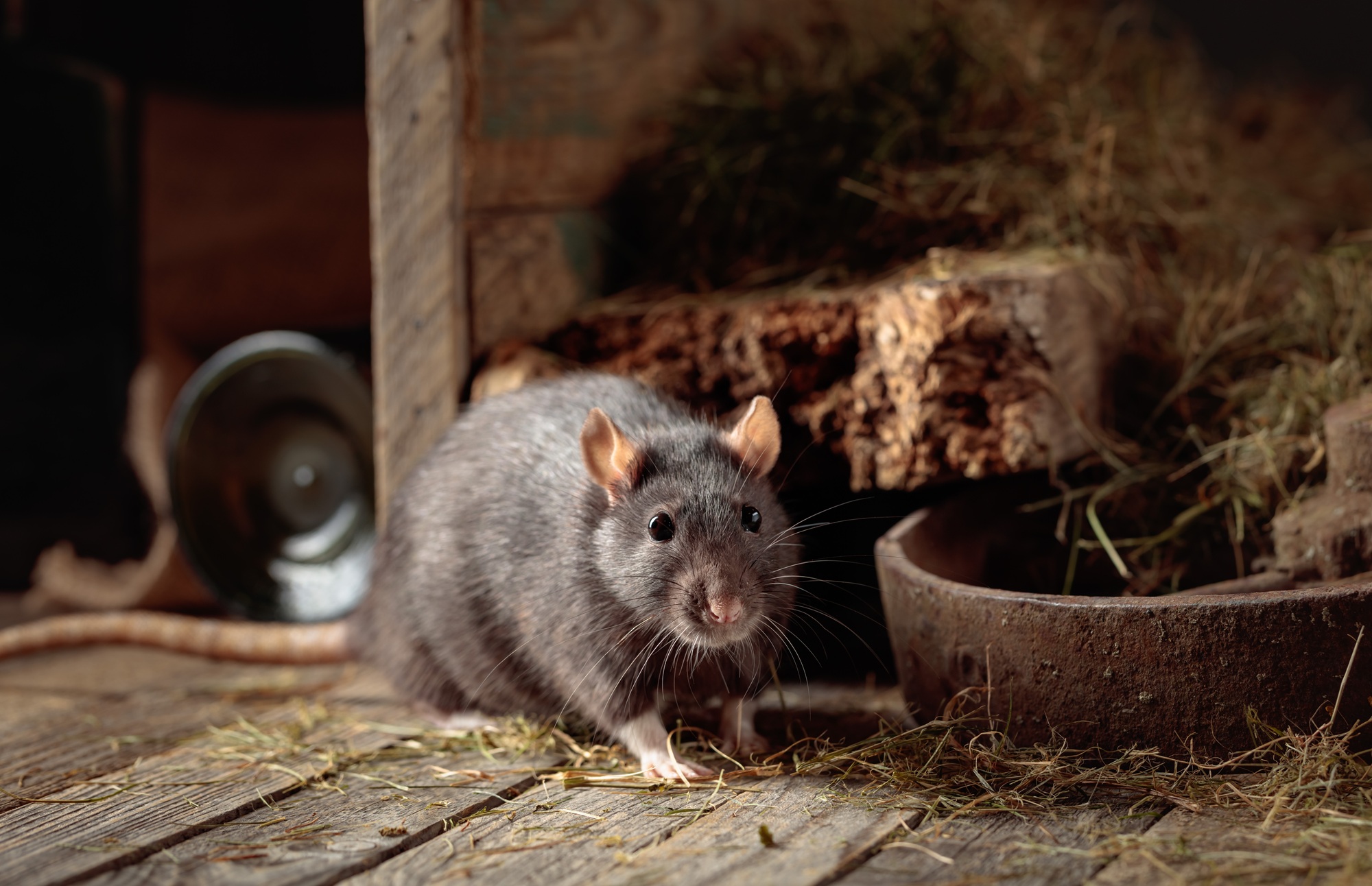
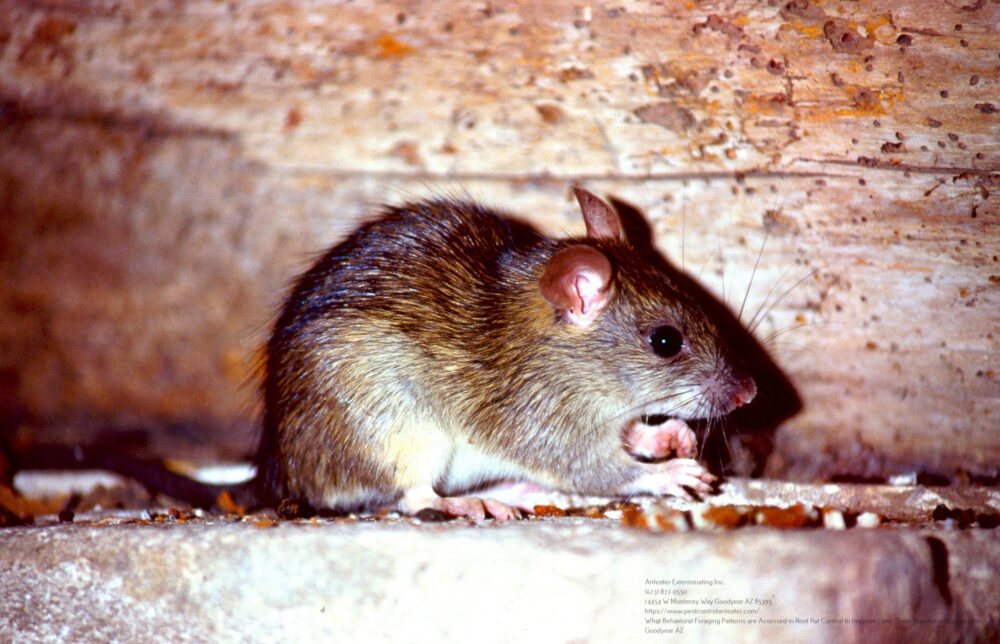
Known as the roof rat (Rattus rattus), this climbing rodent behaves differently from the brown rat, commonly called the Norway Rat. Roof rats prefer elevated movement through trees, rooftops, utility lines, and fences, while Norway rats generally remain closer to the ground.
Across Maricopa County and the East Valley, neighborhoods with mature landscaping, fruit-bearing trees, and dense vegetation naturally create favorable conditions for rodents.
A common People Also Ask question is: Why Do Roof Rats Keep Returning to the Same Property?
Roof rats repeatedly return because they remember dependable food sources, secure nesting locations, and familiar travel routes. Unless those conditions change, new rodents often follow the same pathways used by previous populations.
Professional inspections focus on understanding these behavioral patterns before selecting treatment strategies.
5 Common Mistakes that Make Roof Rat Problems Worse
Many infestations become recurring problems because important behavioral clues are ignored.
1. Removing Rodents Without Eliminating Food
If dependable food and water sources remain available, new rodents quickly replace those that were removed.
2. Ignoring Early Warning Signs
Minor attic noise, isolated droppings, or occasional scratching often indicate much larger populations nearby.
Early intervention usually prevents extensive structural damage.
3. Depending Only on Traps
While snap traps remain valuable tools, trapping alone rarely eliminates recurring infestations unless paired with proper exclusion work.
4. Overlooking Small Structural Gaps
Roof rats squeeze through surprisingly small openings.
Professionals inspect every likely access point before treatment begins.
5. Waiting Too Long
Infestations rarely resolve themselves.
Anteater Exterminating encourages prompt inspections because early behavioral analysis significantly improves long-term success.
The Centers for Disease Control and Prevention explains that rodents contaminate food, damage structures, and spread disease, making prevention considerably more effective than delayed treatment.
Need Professional Roof Rat Control?
Contact Anteater Exterminating today for reliable inspections and long-term rodent protection.
How Roof Rat Control in Chandler AZ Uses Behavioral Analysis to Improve Long-Term Results
Successful roof rat control in Chandler AZ begins with understanding why rodents selected a particular property.
Instead of immediately installing equipment, professionals evaluate feeding behavior, movement corridors, nesting preferences, and environmental conditions before determining trap placement or recommending Rat Removal procedures.
Behavioral analysis often includes:
- Locating dependable food sources, including pet feeding stations and fallen fruit.
- Identifying hidden entry points around roofs, vents, and utility penetrations.
- Measuring overall rodent pressure throughout the property.
- Evaluating surrounding landscaping and elevated travel routes.
- Determining where bait stations or exterior baiting will be most effective.
Properties throughout the Phoenix Area frequently contain mature palm trees, decorative landscaping, and interconnected rooftops that naturally encourage rodent movement between neighboring homes.
Professional technicians also distinguish roof rats from similar wildlife such as pack rats, house mice, and other nuisance animals. Accurate identification allows more effective recommendations while supporting integrated pest management principles that prioritize long-term prevention over repeated treatments.
Rather than relying on temporary solutions alone, Anteater Exterminating develops customized management plans that combine inspection findings, behavioral observations, exclusion improvements, and responsible treatment strategies. This comprehensive approach provides more reliable suppression than simply responding after rodents become visible indoors.
What Professional Technicians Learn from Roof Rat Behavior in the Field
Years of experience have shown that roof rats are creatures of habit. Once they discover a dependable route between food, water, and shelter, they’ll continue using it until something interrupts the pattern. That’s why professional inspections extend beyond looking for rodents—they focus on understanding how rodents think and move.
One Chandler homeowner contacted Anteater Exterminating after hearing repeated noise from the attic each evening. Earlier treatments had temporarily reduced activity, but the problem always returned. During a comprehensive inspection, technicians discovered fallen fruit beneath mature palm trees, accessible utility lines, several overlooked entry points, and damaged attic insulation contaminated with Rat droppings. Fresh gnaw marks near electrical wiring also confirmed frequent rodent movement.
Instead of relying only on trapping, the team recommended targeted exclusion work, carefully planned trap placement, selective exterior baiting, and sealing vulnerable openings with steel wool and professional exclusion materials where appropriate. By eliminating both access routes and attractants, the recurring infestation cycle was interrupted.
The takeaway is clear: lasting roof rat management comes from understanding behavior—not simply removing the rodents that happen to be visible.
6 Practical Prevention Steps that Support Long-Term Success
Professional service is the foundation of effective control, but homeowners can strengthen results with consistent maintenance.
- Store pet food and stored grains in tightly sealed containers instead of leaving them outdoors overnight.
- Trim vegetation regularly so palm trees and shrubs don’t provide easy roof access.
- Remove fallen fruit and eliminate unnecessary food sources around the property.
- Schedule periodic inspections to identify new entry points before infestations develop.
- Listen for unusual scratching sounds or persistent noise from the attic, especially after sunset.
- Keep outdoor storage areas organized to reduce hiding places and nesting opportunities.
Simple maintenance, combined with professional inspections, significantly reduces long-term rodent activity.
Key Takeaways Every Property Owner Should Remember
Roof rats don’t invade homes by accident. They establish familiar feeding routes, memorize dependable shelter, and repeatedly use successful travel corridors until those conditions change.
Professional inspections evaluate landscaping, rooftops, structural openings, utility penetrations, surrounding food and water sources, and overall rodent pressure to understand why infestations develop. This information allows technicians to create customized treatment plans that emphasize prevention instead of repeated removal.
Combining behavioral analysis, integrated pest management, strategic bait stations, and permanent exclusion measures delivers longer-lasting protection than reactive trapping alone. That’s why roof rat Control Chandler AZ remains most successful when built on an understanding of rodent behavior before treatment begins.
Why Anteater Exterminating is the Smart Choice for Roof Rat Protection
We at Anteater Exterminating provide our customers with the best solutions by combining detailed inspections with proven rodent management strategies that prioritize long-term results over temporary fixes. Every property receives a customized evaluation to identify behavioral patterns, structural vulnerabilities, and environmental conditions that contribute to rodent activity.
Our experienced team proudly provides professional rodent control, thorough inspections, exclusion recommendations, and responsible treatment solutions for residential and commercial properties throughout Chandler and surrounding communities. We also use practical prevention strategies designed to reduce recurring infestations while protecting your home and family.
Whether you’re hearing scratching in the attic or want to stop roof rats before they become a serious problem, we’re here to help. Contact Anteater Exterminating today for expert rodent management and dependable service. Protect your home with professional roof rat control in Chandler AZ.
Need Professional Roof Rat Control?
Contact Anteater Exterminating today for reliable inspections and long-term rodent protection.